
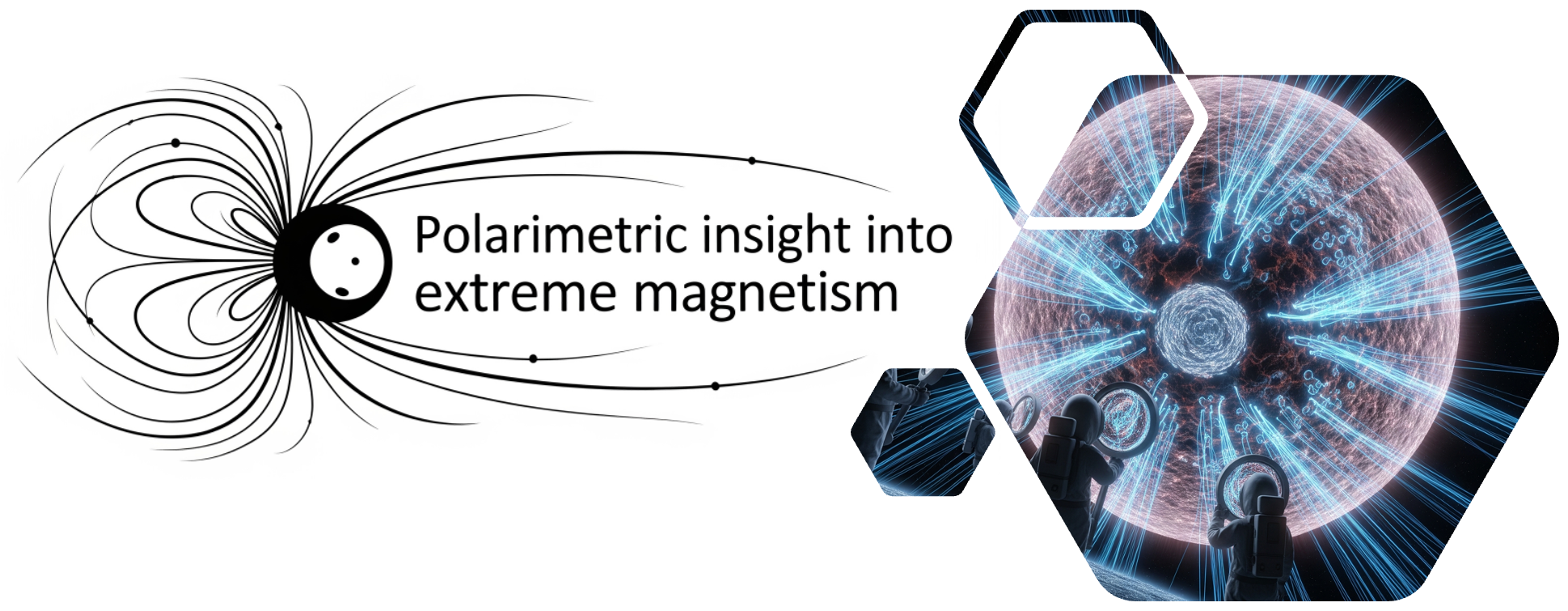
Neutron stars, as cosmic laboratories for extreme physics, are critical for probing the interplay between accreting matter, radiation, and intense magnetic fields. X-ray polarimetry was anticipated to resolve longstanding ambiguities in the emission mechanisms and geometry of these objects. However, the first polarimetric observations with the Imaging X-ray Polarimetry Explorer (IXPE), launched several years ago, have produced far more questions than answers, revealing complexities that challenge current theoretical models. One of the key remaining open questions is how to account for QED effects along with the radiation propagation when considering models of magnetar and X-ray pulsar atmospheres, a topic on which different groups have yet to reach a consensus. With the next generation of X-ray polarimeters scheduled for launch in approximately five years (e.g. eXTP), it is imperative that we build a solid theoretical and observational foundation now. The success of these upcoming missions depends on our ability to interpret their data accurately and to resolve the current discrepancies between theoretical predictions and observed polarimetric signatures.
Image is created by AI